"Environmental Services & Restoration
in Environmental Services & RestorationAbout this course
Environmental Services & Restoration:
Environmental Services & Restoration is a field dedicated to the conservation, remediation, and restoration of natural ecosystems and resources. It involves the implementation of sustainable practices to mitigate environmental damage, preserve biodiversity, and promote ecological balance. Here are some key points regarding Environmental Services & Restoration:
1. Conservation and Preservation: Environmental Services & Restoration focuses on preserving and protecting natural habitats, ecosystems, and wildlife populations. This includes the management of protected areas, biodiversity conservation, and the promotion of sustainable land and water resource management.
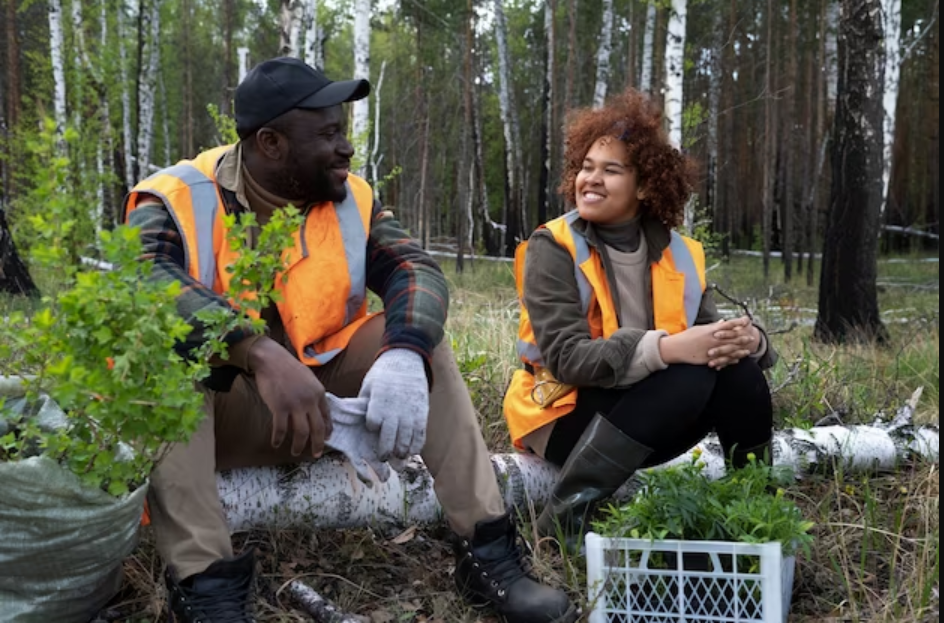
2. Ecological Restoration: The field involves restoring degraded or damaged ecosystems to their original or functional states. This process typically includes habitat restoration, reforestation, wetland rehabilitation, and soil remediation to improve ecological health and promote biodiversity.
3. Sustainable Practices: Environmental Services & Restoration emphasizes the use of sustainable practices to minimize environmental impact. This includes implementing eco-friendly technologies, promoting renewable energy sources, adopting resource-efficient strategies, and reducing waste generation.
4. Water Resource Management: The field addresses the management and restoration of aquatic ecosystems, including rivers, lakes, wetlands, and coastal areas. This involves water quality monitoring, watershed management, aquatic habitat restoration, and the conservation of endangered species.
5. Soil Remediation and Land Restoration: Environmental Services & Restoration includes techniques for remediating contaminated soils, restoring degraded land, and reclaiming abandoned industrial sites. These efforts aim to improve soil quality, prevent erosion, and revitalize land for sustainable use.
6. Environmental Impact Assessment: The field encompasses the evaluation and mitigation of environmental impacts caused by human activities. Environmental impact assessments help identify potential risks and develop appropriate strategies to minimize adverse effects during development projects.
7. Community Engagement and Education: Environmental Services & Restoration involves engaging with local communities and raising awareness about environmental issues. It promotes community participation, education, and collaboration in restoration initiatives, fostering a sense of environmental responsibility and stewardship.
8. Sustainable Development: The field strives to balance environmental conservation and socioeconomic development. It emphasizes the integration of sustainable practices into urban planning, infrastructure development, and natural resource management to achieve long-term environmental and social benefits.
Environmental Services & Restoration professionals play a crucial role in addressing environmental challenges, promoting sustainable practices, and restoring the balance of our ecosystems. Through their expertise and efforts, they contribute to a healthier and more sustainable future for both the environment and communities.