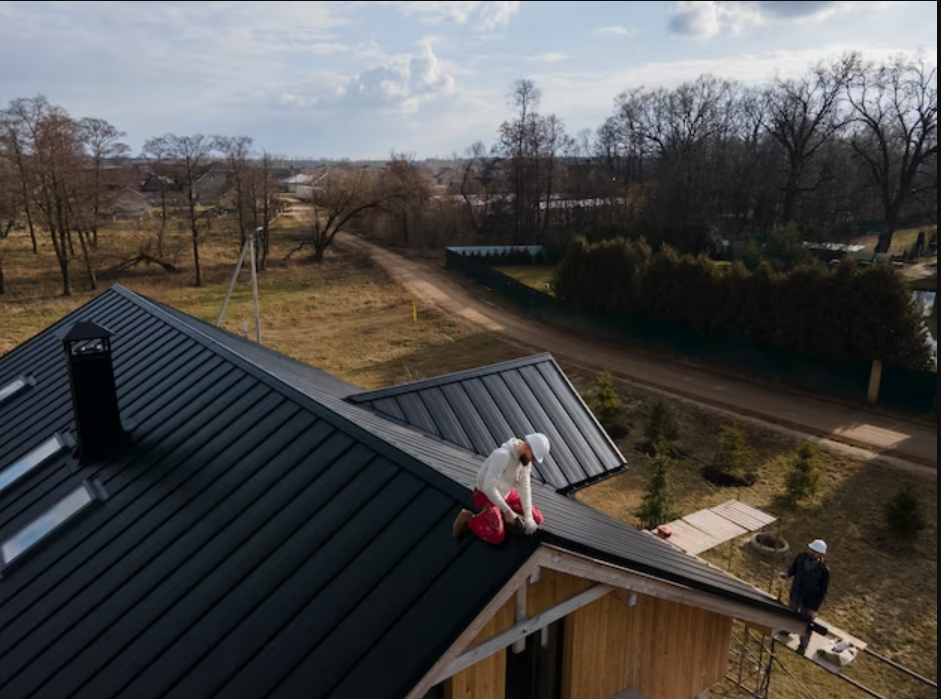
Comprehensive Training Course for Roofing and Gutter Installation"
in Roofing & GuttersAbout this course
Certainly! Here is some information you can include in a course on "Mastering Roofing & Gutters":
1. Course Overview: Provide an overview of the course, highlighting its focus on roofing and gutter systems. Emphasize the practical skills and knowledge that students will gain throughout the training.
2. Roofing Fundamentals: Introduce students to the fundamentals of roofing, including different types of roofs, roof components, and roofing materials. Cover topics such as roof slope, ventilation, insulation, and weatherproofing.
3. Roof Installation: Teach students proper techniques for roof installation, including surface preparation, underlayment installation, shingle application, and flashing placement. Emphasize the importance of following manufacturer guidelines and local building codes.
4. Roof Repair and Maintenance: Explore common roof issues and teach students how to identify and address them. Cover topics such as leak detection, damaged shingle replacement, resealing flashing, and addressing structural issues. Teach students how to perform routine maintenance to extend the lifespan of roofs.
5. Gutter Systems: Discuss the importance of gutter systems in managing water runoff and protecting the building's foundation. Cover gutter materials, sizes, and installation techniques. Teach students how to properly measure, cut, and install gutters, as well as the importance of downspouts and gutter guards.
6. Gutter Maintenance and Repair: Provide guidance on gutter maintenance practices to prevent clogging, sagging, and leakage. Teach students how to clean gutters, reseal joints, repair or replace damaged sections, and address common gutter issues.
7. Safety Practices: Emphasize the importance of safety in roofing and gutter work. Teach students about fall protection, proper ladder usage, personal protective equipment (PPE), and hazard identification. Highlight safety protocols and guidelines for working at heights.
8. Building Codes and Regulations: Familiarize students with relevant building codes and regulations related to roofing and gutters. Teach them how to navigate code requirements, obtain permits, and ensure compliance with local regulations.
9. Roofing and Gutter Inspection: Train students on how to perform thorough roofing and gutter inspections. Teach them how to identify potential issues, assess the condition of roofs and gutters, and provide accurate reports and recommendations.
10. Business and Professional Skills: Provide guidance on the business aspects of roofing and gutters, including customer service, estimating and bidding, project management, and building a professional reputation. Offer tips on starting a roofing or gutter business or pursuing employment opportunities.
11. Hands-on Training and Projects: Incorporate practical exercises and projects to allow students to apply their knowledge and skills. Provide opportunities for hands-on training in roof installation, repair scenarios, gutter installation, and maintenance tasks.
12. Industry Trends and Innovations: Keep students updated on the latest industry trends, technological advancements, and sustainable practices in roofing and gutter systems. Discuss energy-efficient roofing solutions, green roofing options, and emerging materials and technologies.
Remember to adapt and customize the course information to align with your specific curriculum and target audience.