Comprehensive Training Course for Pest Management Professionals
in Pest ControlAbout this course
Certainly! Here is some information you can include in a training course for pest management professionals:
1. Introduction to Pest Management: Provide an overview of pest management and its importance in maintaining healthy environments. Explain the role of a pest management professional and the impact of pests on public health, property damage, and economic factors.
2. Pest Biology and Behavior: Teach students about the biology, behavior, and life cycles of common pests. Cover topics such as insects, rodents, termites, ants, cockroaches, mosquitoes, and bed bugs. Focus on understanding their habits, habitats, and vulnerabilities for effective pest control.
3. Integrated Pest Management (IPM): Introduce the concept of integrated pest management and its principles. Teach students how to implement an IPM approach that emphasizes proactive prevention, monitoring, and targeted treatment methods to minimize reliance on pesticides.
4. Pest Identification: Provide guidance on accurate pest identification techniques. Teach students how to identify pests based on physical characteristics, behavior patterns, and signs of infestation. Emphasize the importance of proper identification for implementing targeted control measures.
5. Pest Control Methods and Techniques: Explore a range of pest control methods and techniques. Cover topics such as mechanical controls, biological controls, chemical controls, and non-chemical controls. Teach students how to select the most appropriate control strategies based on the pest species, infestation severity, and environmental considerations.
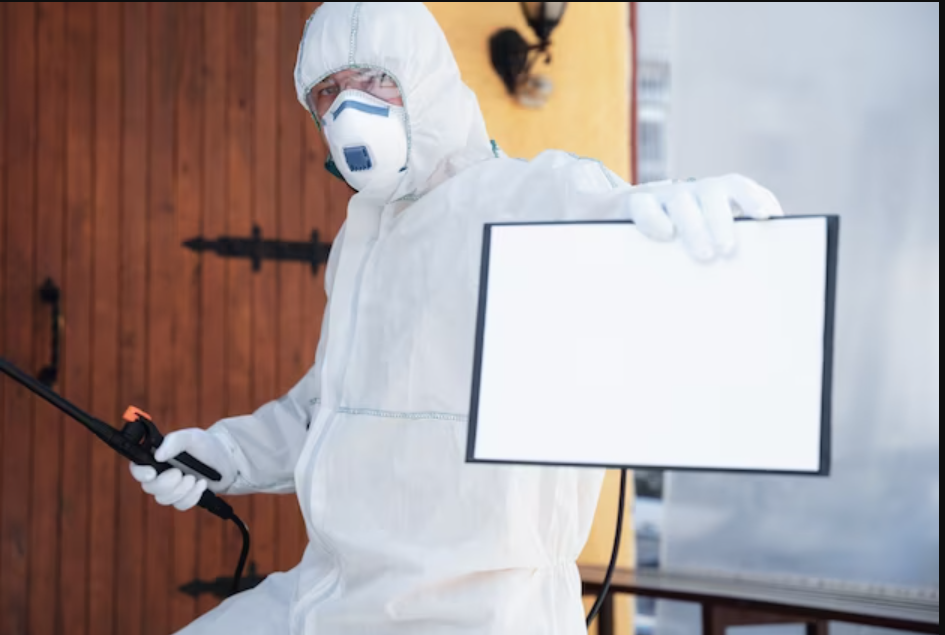
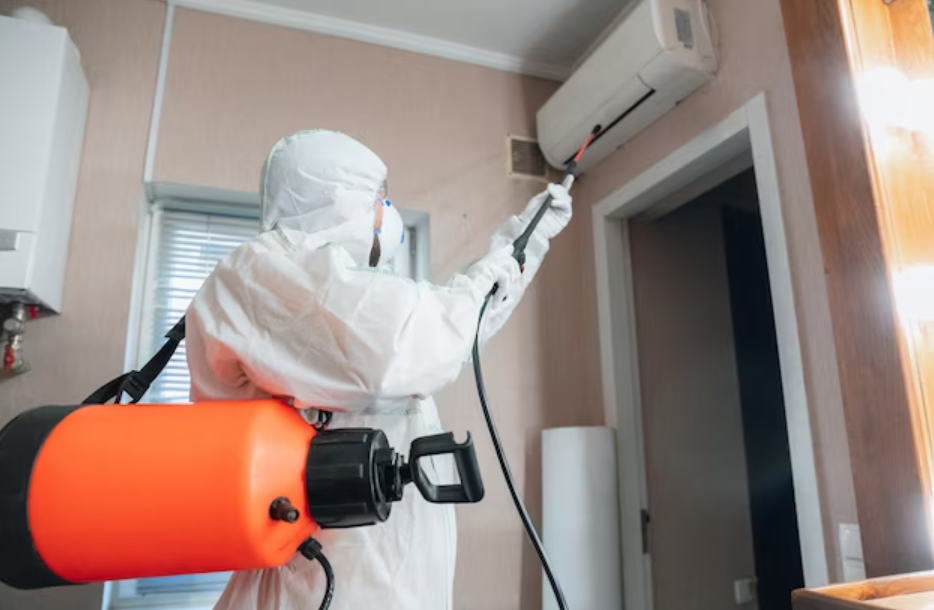
6. Pesticide Application and Safety: Offer training on pesticide application techniques, equipment usage, and safety protocols. Teach students about pesticide classifications, labeling requirements, storage guidelines, personal protective equipment (PPE), and safe handling practices to minimize risks to humans and the environment.
7. Structural Pest Control: Focus on pest control measures specific to structures such as buildings and homes. Teach students how to identify entry points, seal cracks and gaps, and implement targeted treatments to prevent pests from accessing indoor spaces.
8. Commercial Pest Control: Discuss the unique considerations and challenges in commercial pest control. Cover topics such as food handling establishments, hotels, hospitals, schools, and other commercial facilities. Teach students how to develop customized pest management plans to meet the specific needs and regulations of commercial clients.
9. Wildlife Management: Address wildlife management techniques for dealing with common nuisance wildlife species. Teach students about humane trapping and relocation methods, exclusion techniques, and prevention strategies to mitigate conflicts between humans and wildlife.
10. Pest Control Documentation and Reporting: Provide guidance on proper documentation and reporting practices for pest control professionals. Teach students how to maintain accurate records, prepare inspection reports, and communicate findings and recommendations to clients.
11. Customer Service and Communication: Emphasize the importance of excellent customer service and communication skills in the pest management industry. Teach students how to effectively communicate with clients, listen to their concerns, educate them about pest control practices, and provide recommendations for long-term pest prevention.
12. Emerging Trends and Technology: Keep students updated on emerging trends, advancements, and technologies in the field of pest management. Discuss topics such as eco-friendly pest control solutions, remote monitoring systems, digital documentation tools, and innovative pest control strategies.
13. Regulatory Compliance and Licensing: Provide information on regulatory compliance requirements for pest management professionals. Discuss licensing and certification processes, continuing education requirements, and industry standards to ensure students are knowledgeable about legal and ethical obligations.
14. Professional Development and Career Opportunities: Discuss career opportunities and pathways in the pest management industry. Provide guidance on professional development, networking, and staying updated with industry developments to enhance career prospects.
Remember to adapt and customize the course information to align with your specific curriculum and target audience.