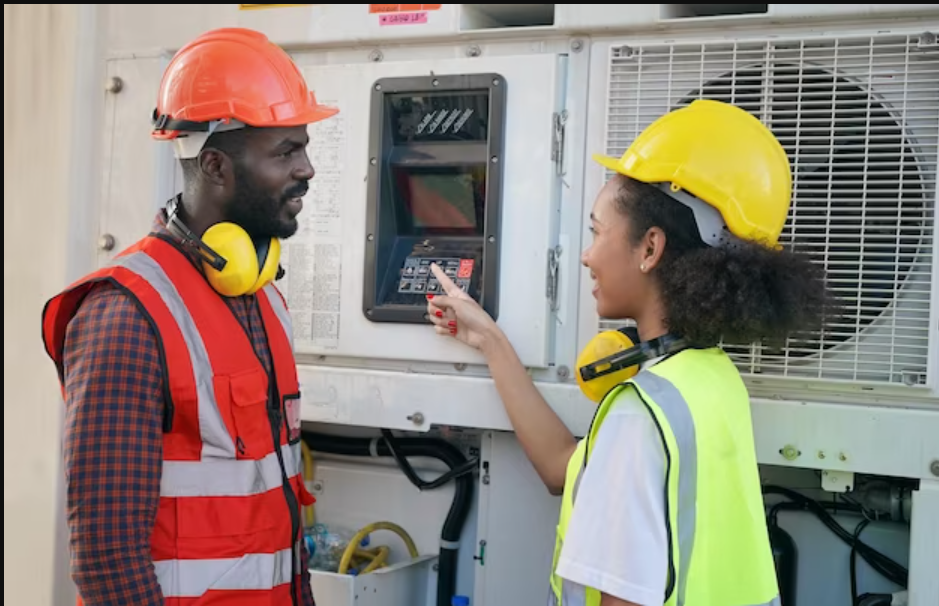
Comprehensive Training Course for HVAC Technicians
in Air Conditioning & HeatingAbout this course
Certainly! Here is some information you can include in a course on "Air Conditioning & Heating":
1. Course Overview: Provide an overview of the course, highlighting its focus on air conditioning and heating systems. Emphasize that the course aims to develop the skills and knowledge necessary to work with HVAC systems effectively.
2. Fundamentals of HVAC: Introduce students to the fundamentals of heating, ventilation, and air conditioning systems. Cover topics such as basic thermodynamics, refrigeration cycles, heat transfer principles, and the components of HVAC systems.
3. System Design and Installation: Teach students about HVAC system design and installation processes. Cover topics such as load calculation, ductwork design, equipment selection, and best practices for system installation.
4. HVAC System Maintenance: Explore the importance of regular maintenance for air conditioning and heating systems. Teach students how to perform routine maintenance tasks, including filter replacement, coil cleaning, lubrication, and system inspections.
5. Troubleshooting and Diagnostics: Provide guidance on troubleshooting common issues in HVAC systems. Teach students how to identify and diagnose problems related to air conditioning, heating, ventilation, electrical components, and refrigerant systems.
6. Energy Efficiency and Sustainability: Discuss the importance of energy efficiency in HVAC systems. Teach students about energy-saving techniques, efficient system operation, and the use of renewable energy sources in HVAC applications.
7. Refrigeration Principles: Cover the principles of refrigeration and its application in air conditioning systems. Teach students about refrigerants, compression cycles, evaporators, condensers, and refrigerant handling practices.
8. Safety Practices and Regulations: Emphasize the importance of safety in working with HVAC systems. Teach students about safety protocols, regulations, and best practices for handling refrigerants, electrical components, and working at heights.
9. Emerging Technologies and Trends: Keep students updated on the latest technologies and trends in the HVAC industry. Discuss advancements in smart thermostats, energy management systems, building automation, and sustainable HVAC solutions.
10. Customer Service and Communication: Provide guidance on effective customer service and communication skills in the HVAC field. Teach students how to interact with clients, address their concerns, and provide clear explanations of system issues and repair options.
11. Industry Certifications: Inform students about industry-recognized certifications in air conditioning and heating, such as NATE (North American Technician Excellence) and EPA 608 certification. Provide guidance on the certification process and the benefits of obtaining these credentials.
12. Hands-on Training: Incorporate hands-on training exercises to allow students to apply their knowledge and skills in practical scenarios. Provide opportunities for students to work with HVAC equipment, diagnose issues, and perform system installations and repairs.
13. Career Opportunities: Discuss various career paths and opportunities in the air conditioning and heating industry. Provide information on job prospects, salary ranges, and potential avenues for advancement in the field.
Remember to adapt and customize the course information to align with your specific curriculum and target audience.