Comprehensive Training Course for Arborists and Tree Care Specialists"
in Tree ServicesAbout this course
Certainly! Here is some information you can include in a course on "Tree Services":
1. Introduction to Arboriculture: Provide an overview of arboriculture and its importance in maintaining healthy trees and landscapes. Explain the role of an arborist and the significance of proper tree care in promoting tree health, safety, and aesthetics.
2. Tree Anatomy and Physiology: Teach students about the anatomy and physiology of trees. Cover topics such as tree growth patterns, root systems, trunk and branch structure, and the transport of water and nutrients. Emphasize the importance of understanding tree biology for effective tree care.
3. Tree Health Assessment: Provide guidance on assessing tree health and diagnosing common tree disorders. Teach students how to identify signs of stress, diseases, pests, and environmental factors that impact tree health. Emphasize the use of diagnostic tools and techniques to evaluate tree condition.
4. Pruning Techniques: Explore pruning techniques for tree care. Cover topics such as proper pruning cuts, pruning objectives, crown thinning, crown raising, and crown reduction. Teach students how to promote tree structure, aesthetics, and overall health through appropriate pruning practices.
5. Tree Removal and Safety: Discuss tree removal techniques, safety protocols, and equipment. Teach students how to evaluate the need for tree removal, plan and execute safe tree removal procedures, and manage potential hazards associated with tree removal operations.
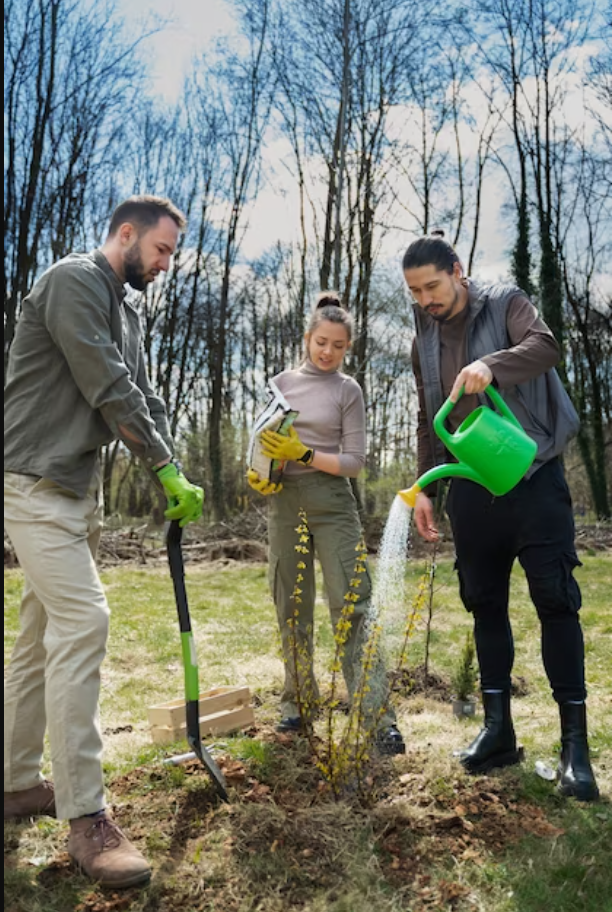
6. Tree Planting and Transplanting: Offer guidance on tree planting and transplanting processes. Teach students proper techniques for site selection, tree species selection, root ball preparation, and post-planting care. Emphasize the importance of establishing healthy root systems for tree establishment.
7. Soil Management and Fertilization: Provide knowledge on soil management practices for tree health. Teach students about soil composition, nutrient requirements, and soil amendment techniques. Discuss the importance of soil pH, compaction prevention, and proper mulching for tree vitality.
8. Tree Risk Assessment and Management: Explore tree risk assessment methodologies and risk management strategies. Teach students how to identify potential hazards, evaluate tree stability, and make informed decisions regarding tree maintenance, removal, or mitigation.
9. Pest and Disease Identification: Cover common pests and diseases that affect trees. Teach students how to identify symptoms, signs, and the life cycles of tree pests and diseases. Discuss integrated pest management (IPM) approaches and treatment options for managing tree health issues.
10. Tree Climbing Techniques and Safety: Offer training on advanced tree climbing techniques and safety procedures. Teach students how to use climbing equipment, rope work, and aerial rescue techniques. Emphasize the importance of proper safety practices to prevent accidents and injuries.
11. Urban Forestry and Tree Preservation: Discuss the significance of urban forestry and the preservation of trees in urban environments. Teach students about urban tree management strategies, tree preservation ordinances, and community engagement in tree conservation efforts.
12. Tree Care Equipment and Tools: Introduce students to the equipment and tools used in tree care operations. Teach them about their selection, operation, and maintenance. Cover topics such as chainsaws, pruning tools, climbing gear, and aerial lifts.
13. Tree Care Business Management: Offer guidance on managing a tree care business. Cover topics such as client relations, estimating and quoting, project management, legal considerations, and industry regulations. Discuss marketing strategies and building a successful tree care service.
14. Continuing Education and Professional Development: Emphasize the importance of continuing education and professional development for arborists and tree care specialists. Discuss industry certifications, conferences, workshops, and other opportunities to enhance knowledge and skills in the field.
15. Environmental Stewardship: Highlight the role of arborists and tree care specialists as environmental stewards. Discuss the benefits of trees in mitigating climate change, improving air quality, and providing habitat. Teach students about