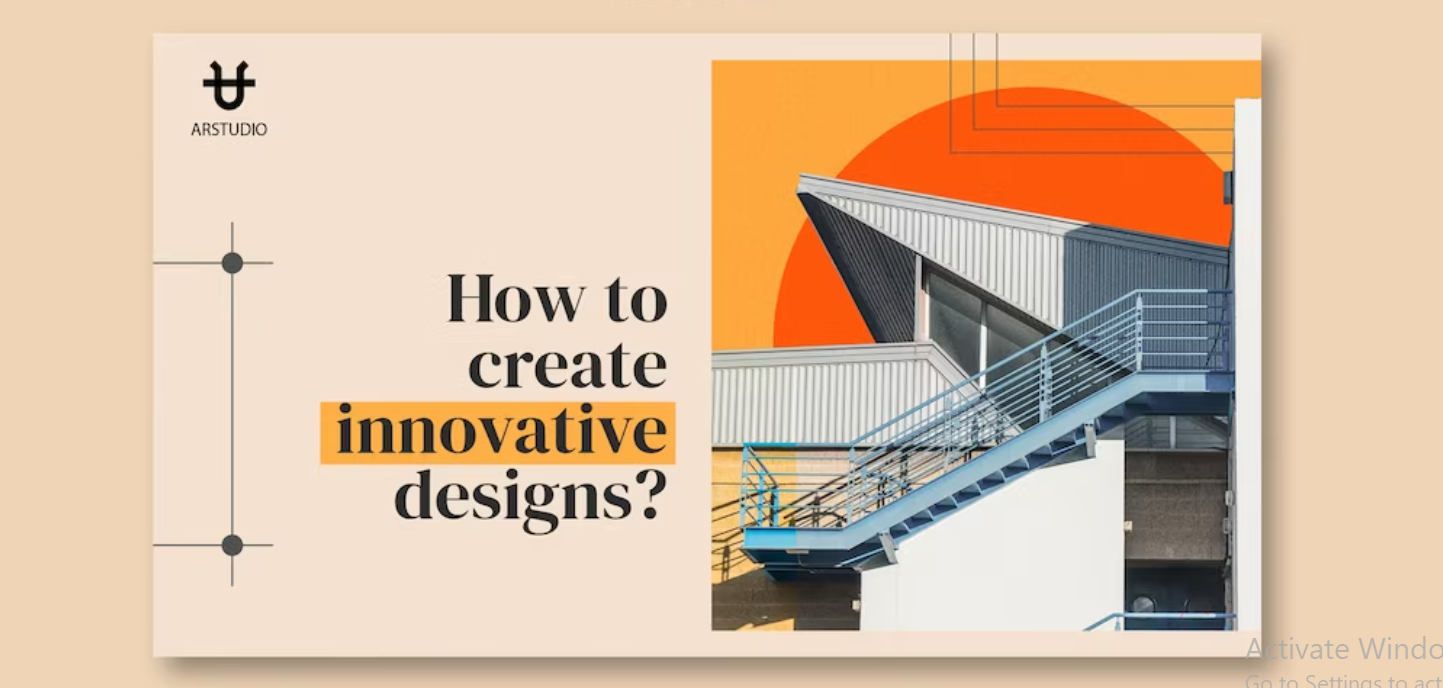
How to create inovation design
in Architects & Building DesignersAbout this course
Architects and building designers play a crucial role in the construction and design industry. They are professionals who are trained to create functional, safe, and aesthetically pleasing structures. Here's some information about architects and building designers:
Architects:
1. Education and Training: Architects typically undergo extensive education and training. They complete a professional degree in architecture and often pursue further studies, such as a master's degree or a specialization in a particular field.
2. Licensing: Architects are required to be licensed in the jurisdiction where they practice. Licensing requirements vary by country or state and typically involve completing a certain number of internship hours, passing the Architect Registration Examination, and meeting specific education and experience criteria.
3. Design Expertise: Architects possess a deep understanding of design principles, spatial relationships, materials, and construction techniques. They develop design concepts and create detailed plans and drawings that guide the construction process.
4. Project Management: Architects often serve as project managers, coordinating with clients, contractors, engineers, and other professionals involved in the construction process. They oversee the implementation of their designs, ensuring compliance with building codes, regulations, and safety standards.
5. Specializations: Some architects specialize in particular types of buildings or areas of expertise, such as residential architecture, commercial architecture, sustainable design, historic preservation, interior design, or urban planning.
Building Designers:
1. Role and Responsibilities: Building designers are professionals who specialize in designing residential or commercial buildings. They work closely with clients to understand their needs and preferences and translate them into functional and visually appealing designs.
2. Education and Training: Building designers may have formal education in architecture, engineering, or a related field, although it is not always a requirement. Some acquire their skills through hands-on experience or specialized training programs.
3. Building Codes and Regulations: Building designers need to have a good understanding of local building codes, regulations, and zoning requirements. They ensure that their designs comply with these guidelines to obtain necessary permits and approvals.
4. Technical Skills: Building designers use computer-aided design (CAD) software to create detailed drawings and plans. They may also utilize 3D modeling tools to provide clients with visual representations of the proposed designs.
5. Collaboration: Building designers often collaborate with architects, engineers, contractors, and other professionals involved in the construction process. They work as part of a team to ensure the successful implementation of the design vision.
Both architects and building designers contribute to the creation of buildings and spaces that are functional, visually appealing, and meet the needs of their clients. Their expertise and creativity are instrumental in shaping the built environment.